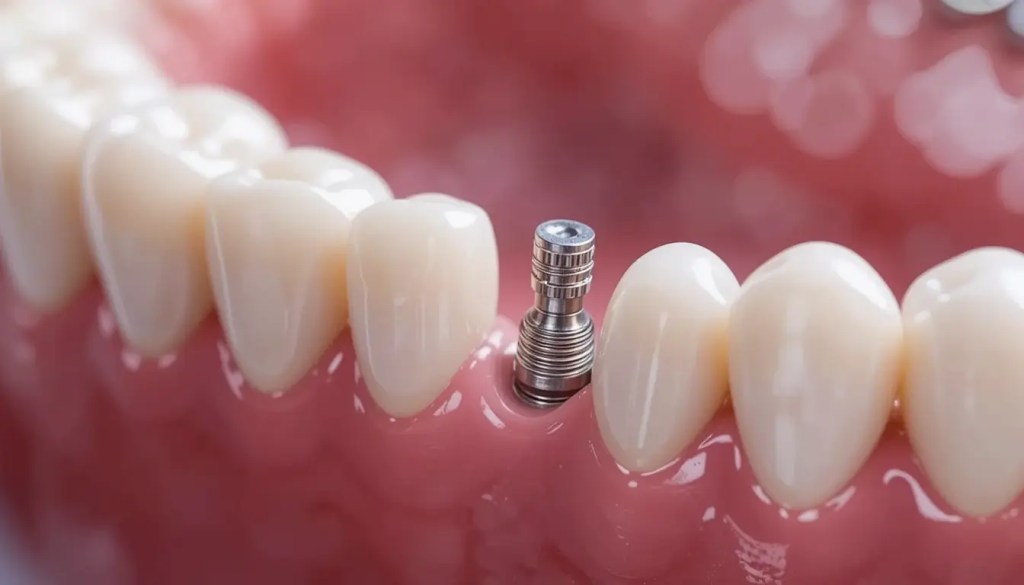
A missing tooth affects appearance, speech, and chewing ability. Dental implants provide a long-term solution for replacing a lost tooth. A single tooth implant restores function and improves dental health.
Unlike bridges or dentures, implants integrate with the jawbone. This creates a stable and lasting replacement. People choose implants for durability, comfort, and natural appearance.
Understanding a Single Tooth Implant
What Is a Single Tooth Implant?
A single tooth implant consists of three parts: the implant post, abutment, and crown. The implant post is a titanium screw placed into the jawbone. The abutment connects the post to the crown, which looks like a natural tooth.
The implant process involves surgery and healing time. Once the implant fuses with the bone, a permanent crown is attached. This structure provides stability and long-lasting function.
How Does an Implant Differ from Other Options?
Traditional tooth replacements include bridges and removable dentures. A bridge requires support from adjacent teeth, which may weaken them over time. Dentures rest on the gums and may shift while eating or speaking.
An implant functions like a natural tooth root. It provides independent support without affecting nearby teeth. This improves stability and preserves jawbone strength.
Benefits of a Single Tooth Implant
Long-Lasting Durability
A single tooth implant is a durable and reliable solution for replacing a missing tooth. Unlike traditional bridges or dentures, an implant consists of a titanium post that fuses with the jawbone through a process called osseointegration. This integration provides a strong foundation, preventing the implant from shifting and ensuring stability. Additionally, implants help preserve bone density by stimulating the jaw, reducing the risk of deterioration that often occurs with tooth loss.
For a long-lasting and natural-looking solution, a single tooth implant from Paramus Park Oral Surgery offers expert care and precision. With proper maintenance, dental implants can last for decades, making them a cost-effective and sustainable option. In contrast, traditional bridges and dentures may need replacement every 5 to 10 years, requiring ongoing adjustments and maintenance. Choosing an implant not only enhances oral function and aesthetics but also minimizes the need for future dental procedures, ensuring a healthier and more confident smile.
Improved Jawbone Health
When a tooth is missing, the jawbone in that area begins to shrink. This happens because the bone lacks stimulation from the tooth root. Over time, bone loss can affect facial structure and weaken nearby teeth.
A dental implant stimulates the bone like a natural tooth. This helps maintain bone density and prevents deterioration. A strong jawbone supports overall oral health.
How a Single Tooth Implant Enhances Daily Life
Better Chewing Ability
A missing tooth makes eating difficult. Hard or chewy foods become uncomfortable to consume. Dentures or bridges may shift, causing discomfort while chewing.
An implant functions like a real tooth, allowing normal eating. It remains fixed in place and provides full biting strength. People can enjoy their favorite foods without worry.
Natural Appearance and Confidence
A single tooth implant blends with natural teeth. The crown is custom-made to match the color and shape of surrounding teeth. This creates a seamless and natural look.
A complete smile improves confidence. People with implants feel more comfortable speaking and smiling. Unlike dentures, implants do not shift, which prevents embarrassment in social situations.
The Procedure for a Single Tooth Implant
Initial Consultation and Planning
A dentist examines the mouth and takes X-rays to assess bone health. If the jawbone is strong enough, the implant procedure can proceed. In cases of bone loss, a bone graft may be needed before placement.
The dentist discusses treatment options and plans the procedure. A customized approach ensures the best fit and function for the implant.
Surgical Placement of the Implant
The dentist places the titanium post into the jawbone during a minor surgery. Local anesthesia ensures comfort during the procedure. After placement, the gum tissue is closed, and healing begins.
The implant needs time to fuse with the bone. This process takes several months. During this time, patients follow specific care instructions to promote healing.
Attaching the Abutment and Crown
Once the implant integrates with the bone, the dentist attaches an abutment. This small connector piece holds the crown in place.
A custom-made crown is then secured to the abutment. The final result looks and functions like a natural tooth.
Caring for a Single Tooth Implant
Daily Oral Hygiene
Proper care keeps an implant healthy. Brushing twice a day and flossing around the implant prevent plaque buildup. Regular dental checkups ensure the implant stays in good condition.
Unlike dentures, implants do not require special cleaning solutions. Regular oral hygiene habits are enough to maintain them.
Preventing Damage
Although implants are strong, certain habits can cause damage. Chewing on ice, biting hard objects, or grinding teeth may weaken the implant or crown.
Wearing a mouthguard during sports protects the implant. Avoiding harmful habits helps maintain implant longevity.
Cost Considerations and Long-Term Value
Initial Cost vs. Long-Term Savings
An implant costs more upfront than a bridge or denture. However, it provides long-term value. Bridges and dentures require replacements over time, adding to their total cost.
Since implants last for decades, they reduce the need for future dental work. This makes them a cost-effective choice in the long run.
Insurance and Payment Options
Some dental insurance plans cover part of the implant cost. Dentists also offer payment plans to make treatment affordable. Discussing options with a provider helps with budgeting for the procedure.
Conclusion
A single tooth implant is a long-term solution for tooth loss. It restores function, preserves jawbone health, and improves appearance. The implant process requires time, but the benefits last for years.
People who choose implants enjoy stable, natural-looking teeth. With proper care, an implant provides lasting confidence and comfort. Investing in an implant supports overall dental health and daily well-being.
 Hit Shot
Leave a comment